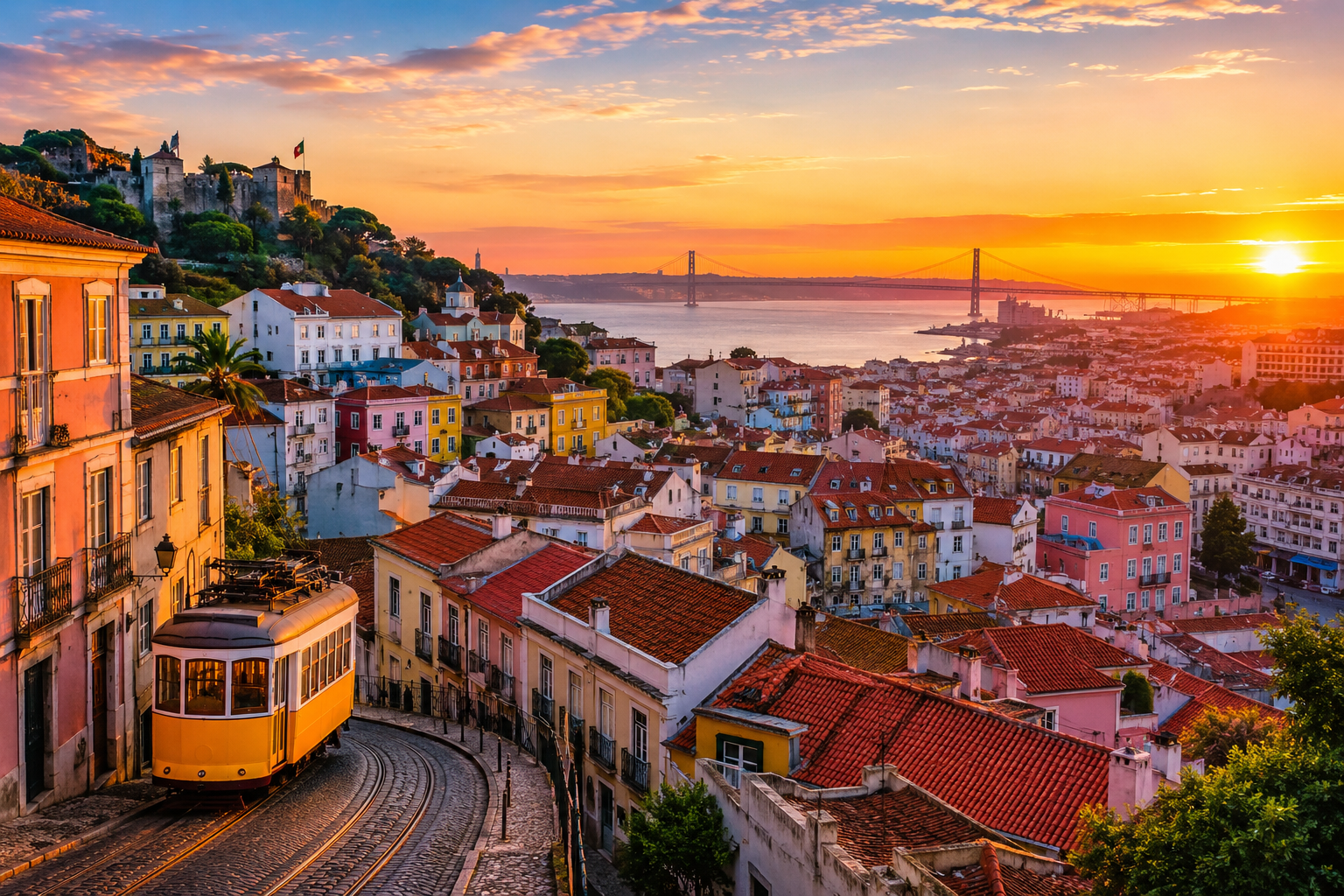
A complete guide to visiting Lisbon, including what to do, where to stay, and how to plan your time.
Table of Contents
Introduction
This Lisbon travel guide is designed to help you plan your visit to one of Europe’s most atmospheric and rewarding capital cities. Known for its colourful tiled buildings, steep cobbled streets, historic yellow trams, and stunning viewpoints overlooking the Tagus River, Lisbon combines old-world charm with a modern, creative energy that makes it incredibly easy to love.
The city appeals especially to first-time visitors to Portugal, food lovers, photographers, digital nomads, and travellers looking for a relaxed European city break with excellent weather and relatively affordable prices. Lisbon also works perfectly as either a short 2–3 day getaway or as a starting point for a wider Portugal itinerary that includes Porto, the Algarve, or smaller coastal towns.
One of the best things about Lisbon is its variety. You can spend your mornings exploring medieval neighbourhoods like Alfama, your afternoons eating fresh seafood and pastéis de nata, and your evenings listening to traditional Fado music or enjoying rooftop bars with sunset views across the city.
This guide provides a high-level overview of visiting Lisbon, including the best things to do, where to stay, how many days to spend here, and how to get around. Throughout the guide, you’ll also find links to more detailed articles that can help you plan each part of your trip more thoroughly.
Why Visit Lisbon?
Lisbon is one of the most rewarding cities in Southern Europe because it manages to feel historic, vibrant, relaxed, and authentic all at once. Unlike some larger European capitals, Lisbon still feels relatively approachable and affordable, while offering world-class food, culture, nightlife, and architecture.
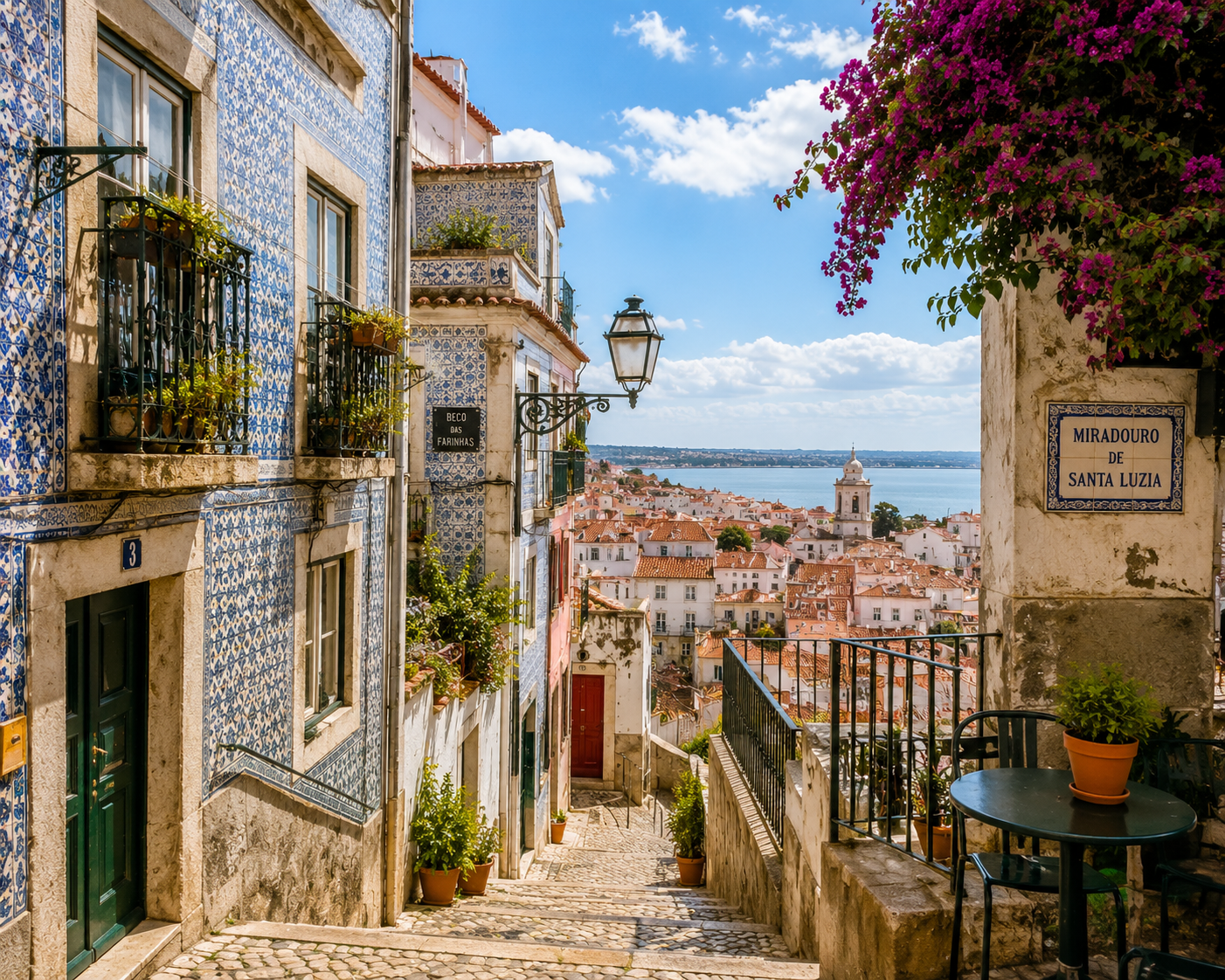
The city is famous for its iconic tram system, scenic miradouros (viewpoints), and distinctive azulejo tile-covered buildings that give the streets so much character. History lovers can explore castles, monasteries, and neighbourhoods shaped by centuries of maritime exploration, while food lovers can enjoy everything from grilled sardines and seafood rice to modern Portuguese fine dining.
Lisbon is also incredibly easy to combine with the rest of Portugal. Excellent train connections make it simple to continue north to Porto or south toward the Algarve, making the city an ideal base for a longer trip.
For travellers who enjoy atmosphere more than rushing between attractions, Lisbon is especially rewarding. The city encourages slow travel — long lunches, sunset viewpoints, riverside walks, and evenings spent listening to live music in narrow alleyways.
We also have a travel guide for the whole of Portugal.
Best Things to Do in Lisbon
There is no shortage of memorable experiences in Lisbon, whether you enjoy history, food, photography, or simply wandering beautiful streets.
One of the city’s highlights is exploring the historic Alfama district, where narrow lanes, tiled houses, and hidden viewpoints create Lisbon’s classic atmosphere. Another must-see is São Jorge Castle, which offers panoramic views across the city and river.
The Belém district is home to several of Lisbon’s most famous landmarks, including Jerónimos Monastery and Belém Tower, both connected to Portugal’s Age of Discovery. While in Belém, many visitors also stop at Pastéis de Belém to try the city’s most famous custard tarts.
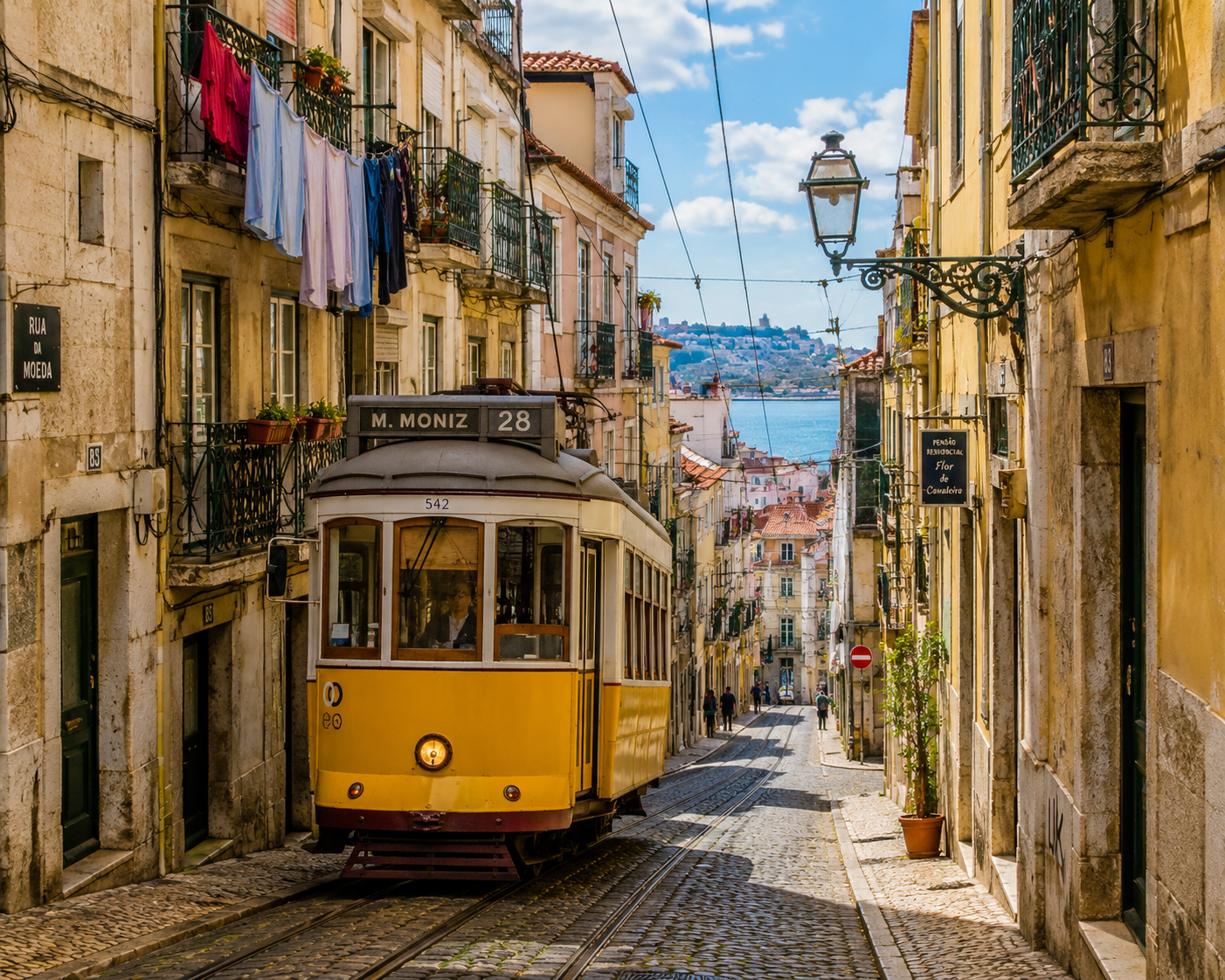
Riding Tram 28 remains one of the most iconic Lisbon experiences, passing through several historic neighbourhoods while climbing the city’s steep hills. For nightlife and restaurants, Bairro Alto and Cais do Sodré are among the city’s most popular evening areas.
If you have extra time, day trips to Sintra, Cascais, or Cabo da Roca are highly recommended and easy to arrange from Lisbon.
Visit Best Things to Do in Lisbon for more things to do in Lisbon.
Where to Stay in Lisbon
Choosing where to stay in Lisbon can significantly shape your experience because each neighbourhood offers a slightly different atmosphere.
For first-time visitors, Baixa and Chiado are often the best options. These central districts place you close to major attractions, restaurants, shopping streets, and public transport while remaining highly walkable.
Alfama is ideal for travellers who want a more traditional and atmospheric Lisbon experience. Its winding medieval streets and scenic viewpoints are incredibly photogenic, although the steep hills can be challenging with luggage.
Bairro Alto is best suited to nightlife lovers, thanks to its bars, music venues, and late-night atmosphere. However, it can be noisy during weekends, so it may not suit families or light sleepers.
For a more modern and quieter experience, areas like Parque das Nações offer contemporary hotels, riverside promenades, and excellent transport connections. Budget travellers often look slightly outside the city centre, where accommodation prices are lower but metro access still makes sightseeing easy.
Accommodation prices in Lisbon vary significantly depending on season and location. Summer is the most expensive period, while winter generally offers better value outside of holidays.
Here is a more in-depth article on where to stay in Lisbon.
How Many Days in Lisbon?
Most travellers should aim to spend at least 2–3 days in Lisbon to experience the city properly without rushing.
With just 1 day, you can focus on Lisbon’s major highlights, including Baixa, Alfama, Belém, and a sunset viewpoint. However, the pace will feel busy, and you’ll likely miss some of the city’s slower charm.
A 2–3 day stay is ideal for most visitors. This gives you enough time to explore Lisbon’s major neighbourhoods, enjoy local restaurants, ride Tram 28, visit museums and viewpoints, and still leave room for relaxed evenings. Here is an excellent 3-day Lisbon itinerary.
If you stay 4 days or longer, Lisbon becomes an excellent base for day trips. Popular options include the colourful palaces of Sintra, the beaches of Cascais, or even wine-focused excursions outside the city.
Many travellers underestimate how tiring Lisbon’s hills can be, so adding an extra day often makes the trip much more enjoyable.
You can also combine a visit to Lisbon with a 7-Day Portugal Itinerary.
Getting Around Lisbon
Lisbon is a very walkable city, but visitors should be prepared for steep hills, uneven cobblestones, and plenty of stairs in older neighbourhoods.
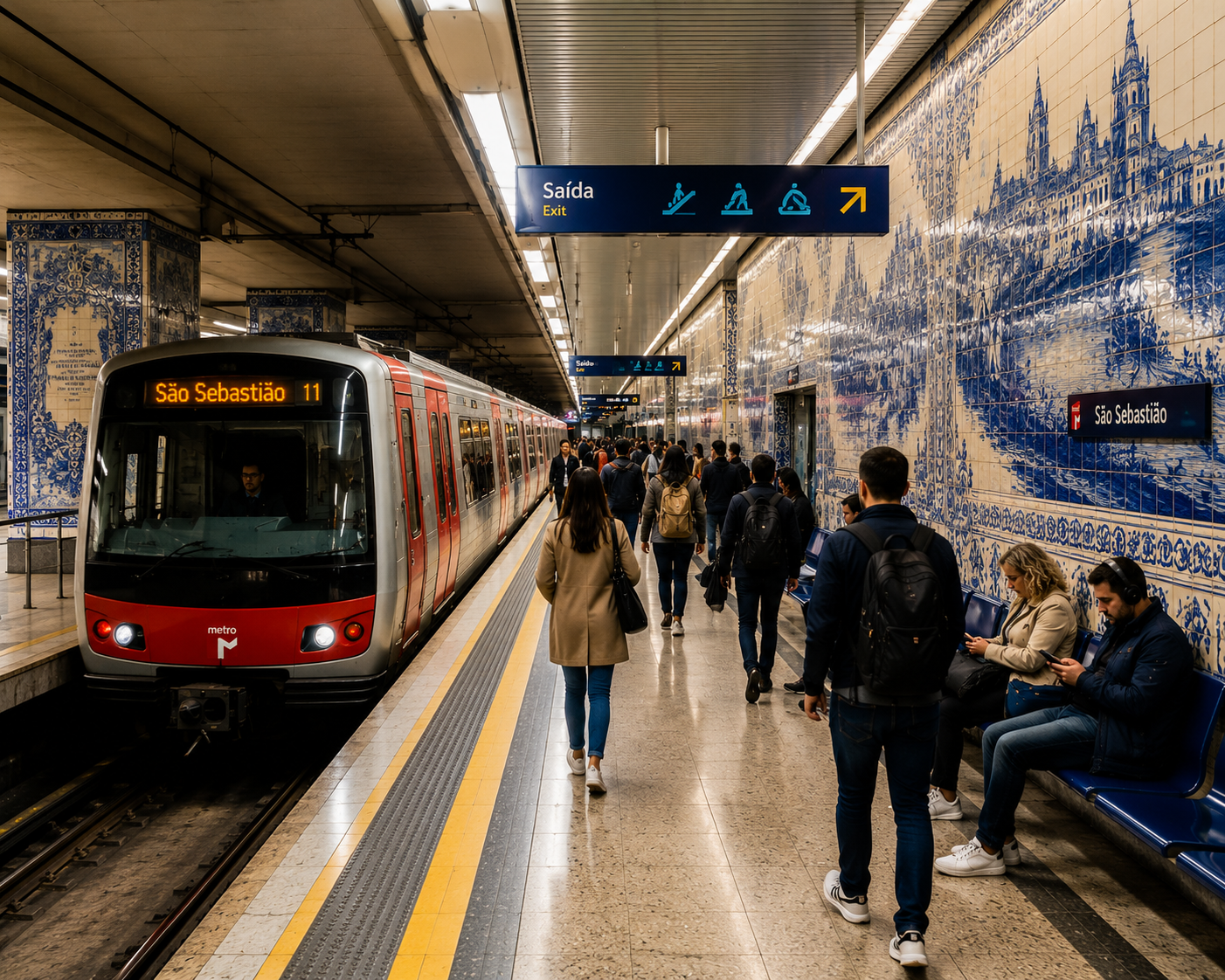
Fortunately, the city has an excellent public transport network that includes metros, buses, trams, funiculars, and trains. The metro is usually the fastest way to travel longer distances, including journeys from the airport into the city centre.
Historic trams are both a tourist attraction and a practical transport option, although they can become extremely crowded during peak travel seasons. Rideshare apps like Uber and Bolt are widely available and often surprisingly affordable compared to many other European capitals.
Most visitors do not need a car while staying in Lisbon. Parking is limited, traffic can be difficult, and public transport is usually more convenient. Cars only become useful if you plan to explore rural areas or smaller towns beyond Lisbon.
For convenience, many travellers purchase a Viva Viagem transport card, which works across most public transport systems in the city.
This article will help you with getting around Portugal.
Best Time to Visit Lisbon
Lisbon is a year-round destination, but the best months for sightseeing are generally April to June and September to October. During these periods, temperatures are pleasant, crowds are manageable, and the city feels lively without becoming overwhelmingly busy.
Summer brings long sunny days and festivals, but July and August can become extremely crowded and expensive, especially around major tourist areas and beaches nearby.
Winter is much quieter and cheaper, making it a good option for budget-conscious travellers. While temperatures are cooler, Lisbon still enjoys relatively mild weather compared to much of Europe.
Spring is particularly beautiful because of blooming jacaranda trees, outdoor cafés reopening fully, and comfortable walking conditions throughout the city.
Suggested Itineraries for Lisbon
Lisbon works well for both fast-paced city breaks and slower, more relaxed itineraries.
A 2-day highlights itinerary usually focuses on the city’s most famous areas, including Alfama, Belém, Baixa, and Bairro Alto. This is ideal for travellers visiting Portugal for the first time or combining Lisbon with Porto.
A 3-day Lisbon itinerary allows more flexibility and usually includes a day trip to Sintra or Cascais alongside Lisbon’s main attractions. This tends to be the sweet spot for most visitors.
Travellers staying 5 days or longer can experience Lisbon more slowly while adding beaches, food tours, museums, and nearby coastal towns without feeling rushed.
Because Lisbon connects easily with the rest of the country, many travellers also combine it with wider Portugal itineraries covering Porto, the Algarve, and smaller inland destinations.
Practical Travel Tips for Lisbon
Lisbon is generally considered a safe city for tourists, although pickpocketing can occur in crowded areas, especially on Tram 28 and around major viewpoints.
Comfortable shoes are essential because Lisbon’s hills and cobbled streets can quickly become exhausting. Many first-time visitors underestimate how physically demanding the city can feel during full sightseeing days.
Portuguese is the official language, but English is widely spoken in hotels, restaurants, and tourist areas. Card payments are accepted almost everywhere, although carrying some cash is still useful for smaller cafés and local shops.
Tipping is appreciated but not mandatory. In restaurants, rounding up the bill or leaving around 5–10% is common for good service.
Visitors should also avoid overpacking itineraries. Lisbon is best enjoyed slowly, with time built in for cafés, viewpoints, and wandering side streets.
First time visiting Portugal? Then check out our article with travel tips for first-time visitors.
Visit Lisboa Official Tourism Website
Plan Your Visit to Lisbon
Lisbon is one of Europe’s most rewarding city destinations, combining history, food, culture, nightlife, and beautiful scenery in a way that feels both exciting and relaxed. Whether you are planning a quick city break or a longer Portugal itinerary, the city offers enough variety to suit almost every style of traveller.
To continue planning your trip, explore the following guides: