Table of Contents
Introduction
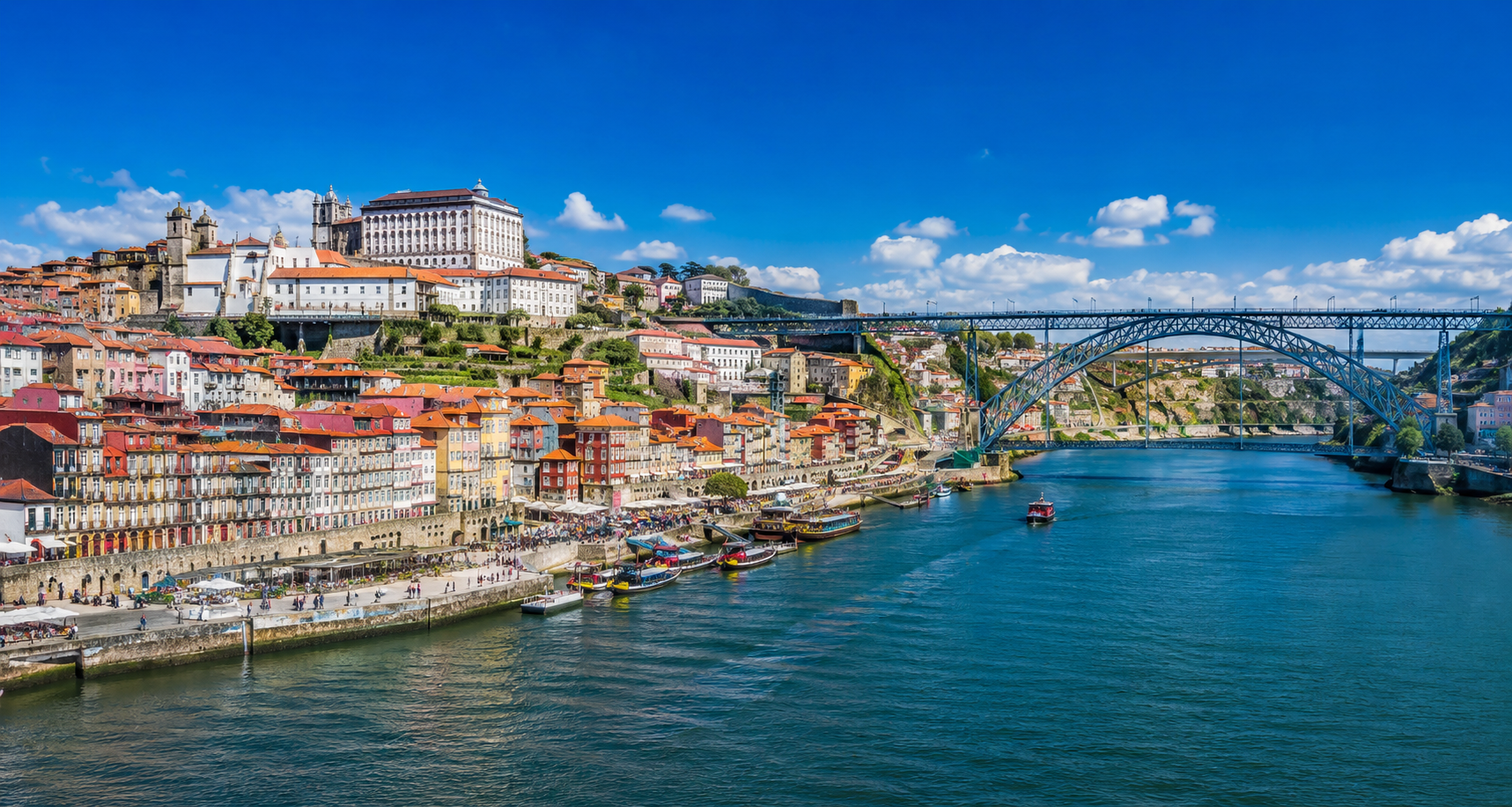
This Porto Travel Guide covers everything you need to know before visiting Portugal’s second-largest city. Famous for its historic riverside district, world-renowned port wine, and colourful architecture, Porto offers a different experience from Lisbon while still delivering plenty of culture, food, and atmosphere. Sitting on the banks of the Douro River in northern Portugal, the city combines centuries of history with a lively modern food scene and a relaxed pace of life.
Porto appeals to a wide range of travellers, including first-time visitors to Portugal, couples looking for a romantic city break, food and wine enthusiasts, and travellers seeking a more authentic Portuguese experience. The city is compact enough to explore on foot yet offers enough attractions, viewpoints, and nearby day trips to fill several days.
Whether you are visiting Porto as part of a wider Portugal itinerary or making it your primary destination, the city rewards slow exploration. From wandering through medieval streets and enjoying river views to tasting port wine and discovering local cafés, Porto delivers a memorable travel experience without the crowds often associated with larger European cities.
This guide provides a high-level overview of what to do, where to stay, how long to spend in Porto, and how to get around. For more detailed planning, you can explore the linked guides throughout this article.
If you are looking for a travel guide for all of Portugal, check out our Portugal Travel Guide. You can also check out the official Porto page here: UNESCO Historic Centre of Porto Page
Why Visit Porto?
Porto is one of Portugal’s most distinctive destinations, offering a blend of history, culture, food, and stunning scenery. Unlike some European cities that feel heavily geared towards tourism, Porto retains a strong local character that makes exploring particularly rewarding.
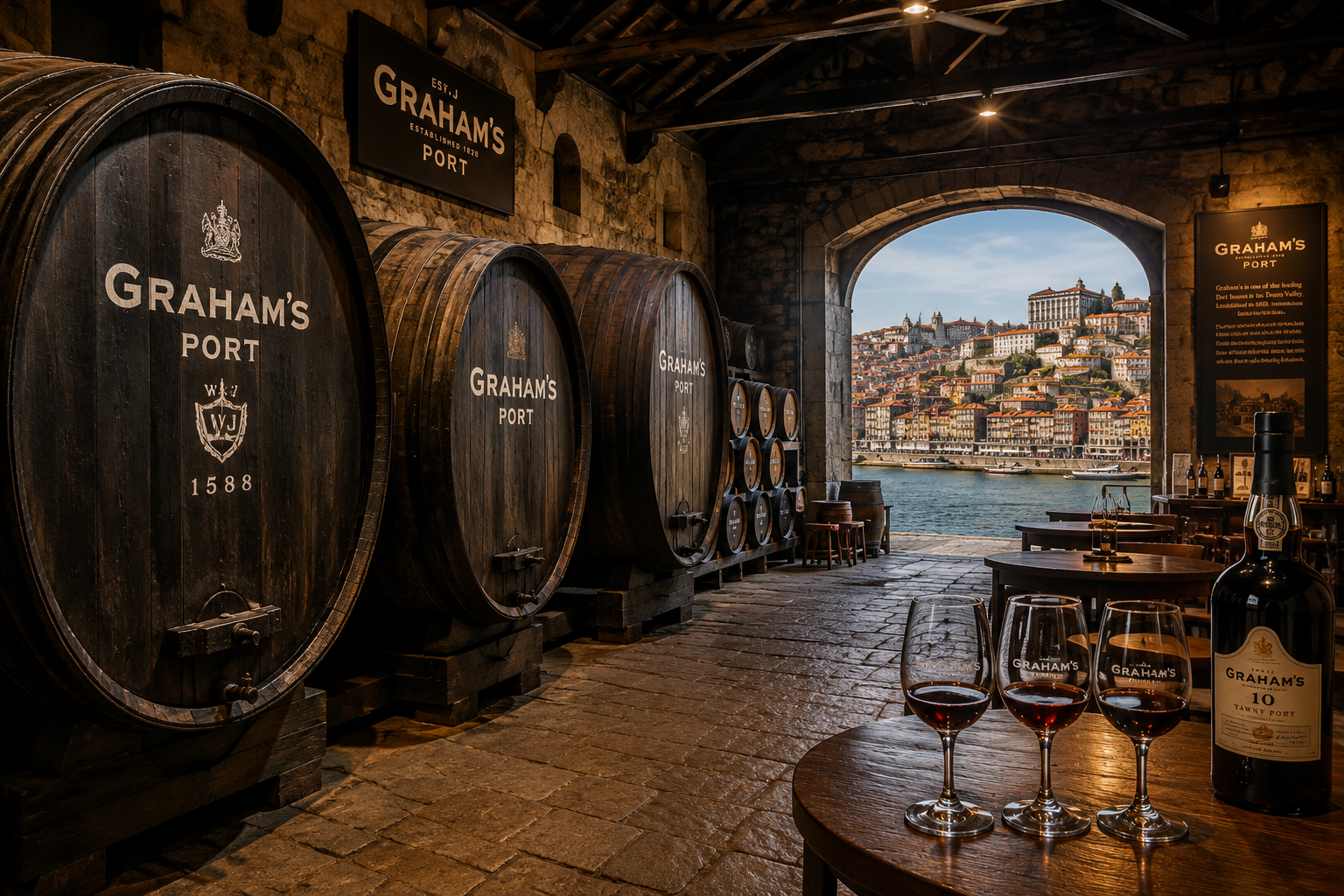
The city’s historic centre, a UNESCO World Heritage Site, is packed with narrow streets, tiled churches, and centuries-old buildings overlooking the Douro River. Porto is also the birthplace of port wine, making it a must-visit destination for wine lovers interested in visiting traditional cellars and tasting rooms.
Food is another major draw. Porto is known for hearty regional dishes, fresh seafood, and excellent local restaurants that often provide better value than those found in many other European capitals.
Porto also works exceptionally well as part of a wider Portugal trip. High-speed trains connect the city to Lisbon, while nearby destinations such as the Douro Valley and Braga make excellent day trips.
For travellers seeking authentic Portuguese culture, beautiful architecture, and a relaxed atmosphere, Porto is often considered one of the highlights of any visit to Portugal.
Best Things to Do in Porto
Porto offers a diverse mix of historic landmarks, cultural attractions, scenic viewpoints, and food experiences. While you could easily spend days exploring the city, several attractions consistently rank among visitors’ favourites.
Some of the top experiences include:
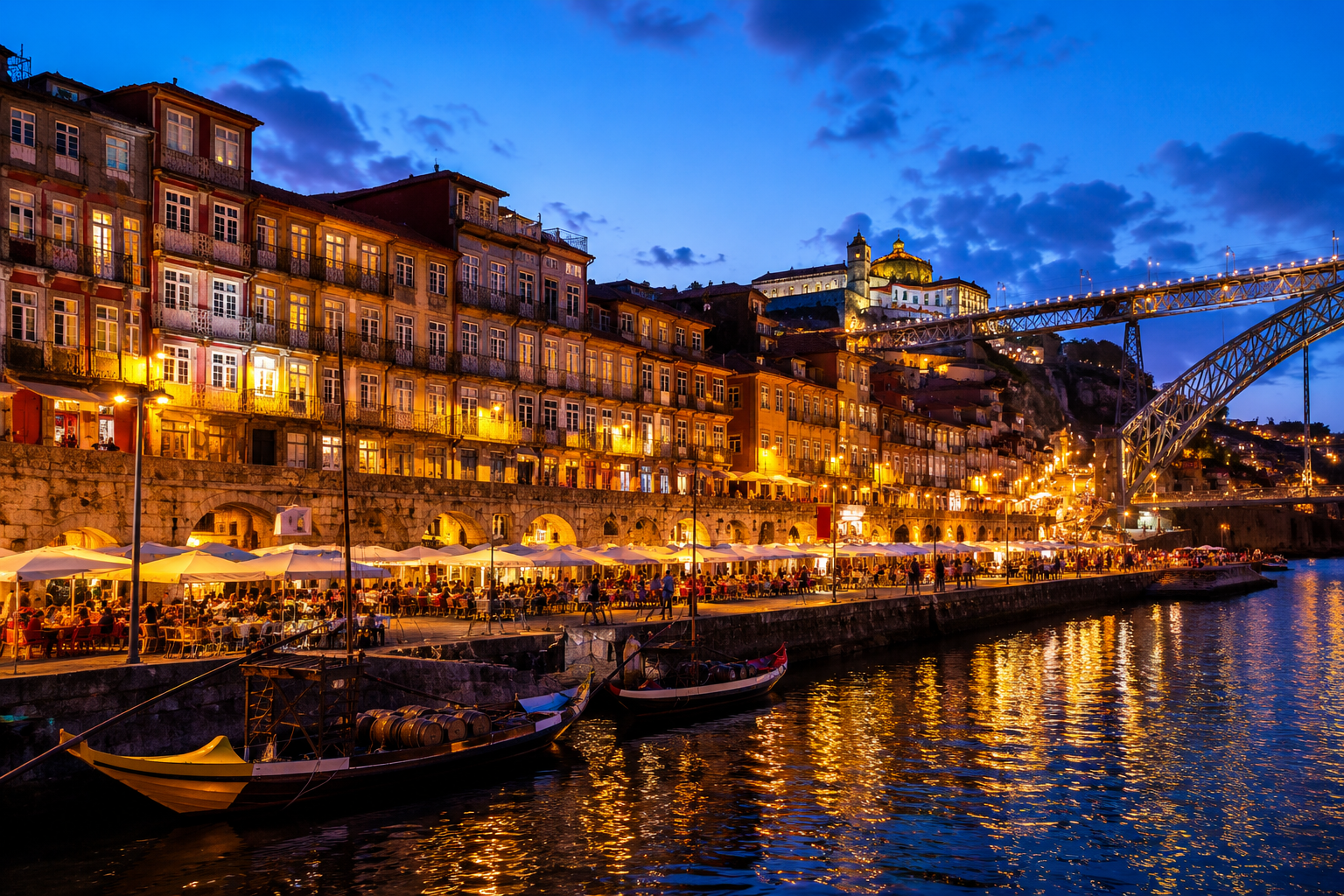
- Walking through the colourful Ribeira district along the Douro River.
- Visiting Livraria Lello, one of the world’s most beautiful bookstores.
- Crossing the iconic Dom Luís I Bridge for panoramic city views.
- Touring the historic port wine cellars in Vila Nova de Gaia.
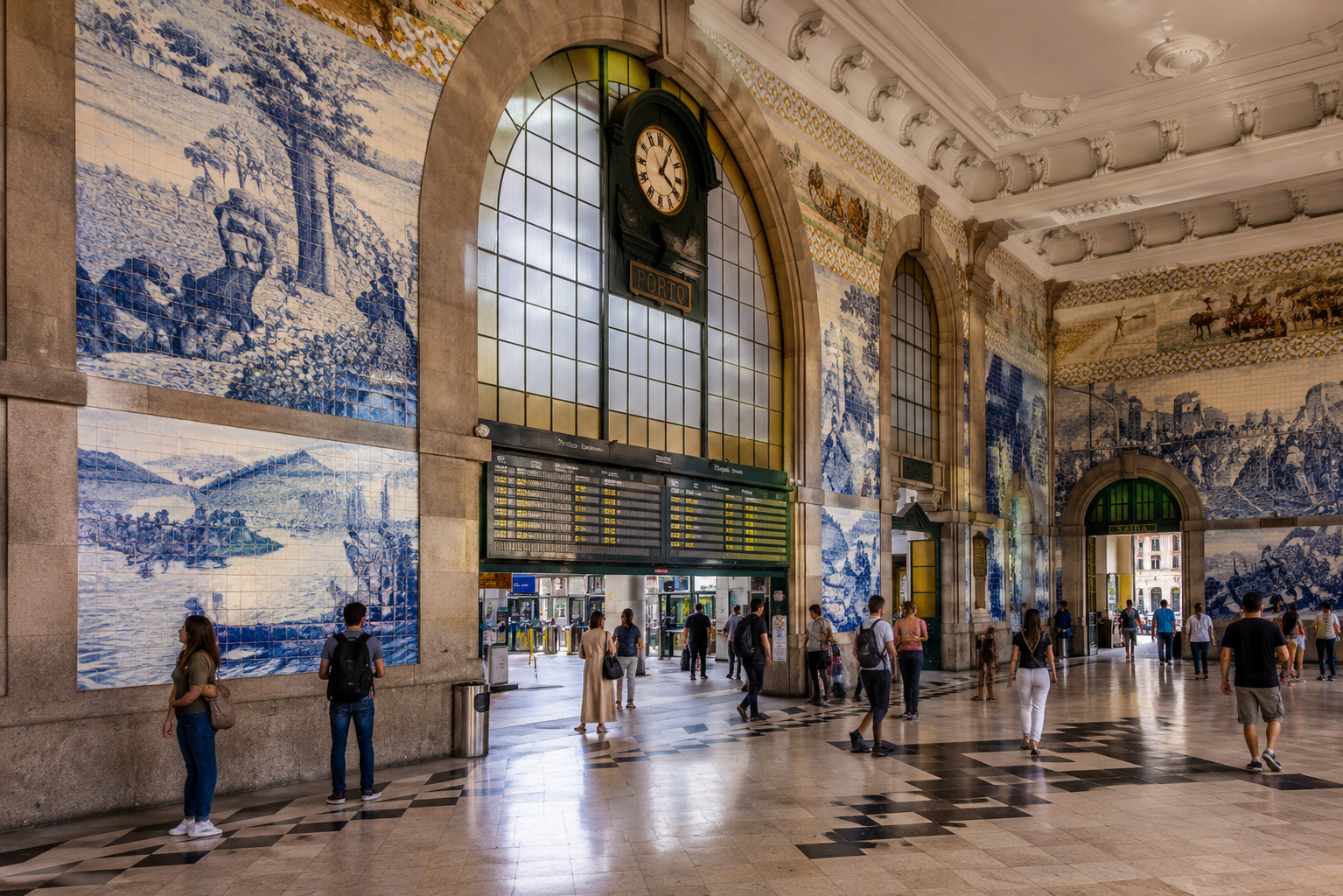
- Exploring São Bento Station and its famous azulejo tile panels.
- Watching sunset from Jardim do Morro overlooking the river.
One of Porto’s greatest strengths is that many of its attractions are connected by pleasant walking routes through the historic centre. Simply wandering through the city’s streets often becomes as memorable as visiting the major sights themselves.
Rather than rushing between attractions, plan time to stop at local cafés, viewpoints, and riverside restaurants. Porto rewards slow travel and exploration.
Our article delving into the best things to do in Porto has more detailed information.
Where to Stay in Porto
Porto offers accommodation options for every budget, from boutique guesthouses and luxury hotels to hostels and serviced apartments. Choosing the right neighbourhood can significantly shape your experience.
For first-time visitors, the historic centre around Ribeira and Baixa is usually the best choice. Staying here places you within walking distance of many major attractions, restaurants, and riverfront views.
Travellers interested in nightlife often prefer the Cedofeita and Galerias de Paris areas, where bars, cafés, and nightlife venues remain busy well into the evening.
Families and visitors seeking a quieter atmosphere may enjoy Boavista, which offers wider streets, parks, and modern hotels away from the busiest tourist areas.
Budget travellers can find affordable hostels and guesthouses throughout the city centre, particularly around Bolhão and surrounding neighbourhoods.
Accommodation prices in Porto are generally lower than in many major Western European cities, although peak summer months can see rates increase significantly. Booking several months in advance is recommended if travelling during July, August, or major holiday periods.
How Many Days in Porto?
Most travellers find that two to three days is the ideal amount of time to experience Porto’s highlights while still enjoying the city’s relaxed atmosphere.
1 Day in Porto
With just one day, focus on the historic centre, Ribeira waterfront, São Bento Station, Dom Luís I Bridge, and a short port wine tasting experience.
2–3 Days in Porto
This is the sweet spot for most visitors. You’ll have enough time to explore the major attractions, enjoy local restaurants, visit several viewpoints, and experience Porto without feeling rushed.
4+ Days in Porto
A longer stay allows you to take day trips to destinations such as the Douro Valley, Braga, Guimarães, or Aveiro. You’ll also have time to discover lesser-known neighbourhoods and enjoy Porto at a slower pace.
Porto works well as both a standalone city break and as part of a broader Portugal itinerary. Many visitors combine it with Lisbon and the Algarve for a more complete experience.
Here is an excellent 7-Day Portugal itinerary to help you plan.
Getting Around Porto
Porto is one of Portugal’s most walkable cities, although visitors should be prepared for steep hills and cobbled streets. Comfortable walking shoes are highly recommended.
The city’s metro system is modern, efficient, and particularly useful for airport transfers and reaching neighbourhoods outside the historic centre. Trams, buses, and funicular services also provide additional transport options.
Rideshare services such as Uber and Bolt operate widely throughout Porto and are often inexpensive compared to many other European cities. Traditional taxis are readily available as well.
For most visitors staying within the city centre, a car is unnecessary and can actually become an inconvenience due to limited parking and narrow streets. If you plan to explore northern Portugal or visit the Douro Valley independently, renting a car may be worthwhile after leaving the city.
Public transport is reliable, affordable, and sufficient for the majority of visitors.
Best Time to Visit Porto
Porto is a year-round destination, but the most pleasant months for sightseeing are typically April through June and September through October. During these periods, temperatures are comfortable, rainfall is generally lower, and crowds are more manageable.
July and August bring the warmest weather and the highest visitor numbers. Popular attractions, restaurants, and accommodation can become noticeably busier during peak summer.
Winter offers lower prices and fewer tourists, although rain is more common and temperatures are cooler. Even during winter, however, Porto remains relatively mild compared to many northern European destinations.
Spring and autumn generally provide the best balance between weather, pricing, and crowd levels for most travellers.
Suggested Itineraries for Porto
Porto can fit into a variety of travel styles, from quick city breaks to extended Portugal adventures.
A short two-day trip allows you to experience the city’s major landmarks, riverfront atmosphere, and famous wine culture. This works particularly well for weekend travellers.
A three-day itinerary offers a more balanced experience, combining sightseeing with local food, cultural attractions, and relaxed exploration of neighbourhoods beyond the main tourist areas.
Travellers spending longer in Portugal often use Porto as a northern base before continuing south to Lisbon or exploring nearby destinations such as the Douro Valley.
For those planning a broader Portugal journey, Porto is commonly combined with Lisbon and several regional stops to create a well-rounded itinerary that showcases the country’s diversity.
Practical Travel Tips for Porto
Porto is generally considered a safe city for tourists, with violent crime remaining relatively rare. As with any major destination, keep an eye on belongings in crowded tourist areas and public transport.
English is widely spoken in hotels, restaurants, and tourist attractions, although learning a few basic Portuguese phrases is always appreciated.
Credit and debit cards are accepted almost everywhere, but carrying a small amount of cash can be useful for smaller cafés, markets, and local businesses.
Tipping is not mandatory in Portugal, but leaving a small amount for good service is common and appreciated.
One mistake many visitors make is underestimating Porto’s hills. Distances that appear short on a map can involve steep climbs, so plan accordingly and wear comfortable footwear.
Portugal Travel Tips for First-Time Visitors
Plan Your Visit to Porto
Porto is one of Portugal’s most rewarding destinations, combining history, food, wine, and beautiful river views into a city that is easy to explore and difficult to forget.
Before your trip, be sure to read:
- Best Things to Do in Porto
- Where to Stay in Porto
- 7-Day Portugal Itinerary
- 10-Day Portugal Itinerary
- Portugal Travel Guide
With a little planning, Porto can become one of the highlights of your Portugal adventure.