Table of Contents
1. Introduction
Portugal is one of Europe’s most rewarding travel destinations, offering an unbeatable mix of historic cities, stunning coastlines, rich culture, and excellent value for money. Whether you’re planning your first European trip or returning to explore more deeply, this Portugal travel guide covers everything you need to know.
This country is ideal for a wide range of travellers—first-time visitors looking for an easy and safe introduction to Europe, couples seeking romantic city breaks, food lovers chasing authentic cuisine, and even budget travellers wanting high-quality experiences without the high price tag. Portugal is compact and easy to navigate, meaning you can experience multiple destinations in a single trip without long travel times.
First-time visitors often start in Lisbon (see our Lisbon Travel Guide), where you can explore historic neighbourhoods and iconic viewpoints, before heading north to Porto (Porto Travel Guide) for wine and riverside charm. Return travellers tend to go deeper—discovering curated routes like the Top 10 Hidden Gems in Portugal or exploring beyond the main cities using a well-planned itinerary.
If you’re unsure where to begin, start with this list of the Top 10 Places to Visit in Portugal to build your perfect route.
2. Why Visit Portugal?
Portugal consistently ranks as one of the best countries to visit in Europe—and here’s why:
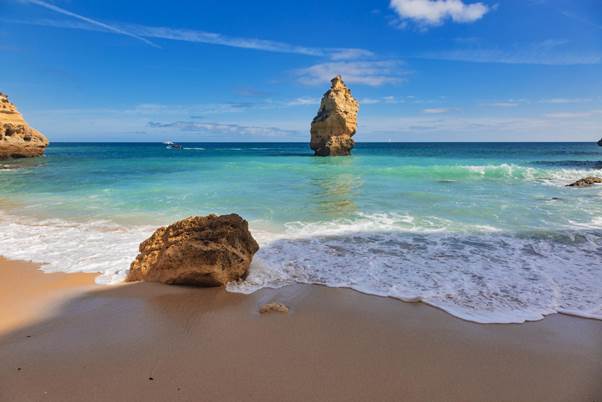
- Stunning scenery – From golden beaches to dramatic cliffs and scenic viewpoints, Portugal’s landscapes are diverse and breathtaking.
- Rich culture & history – Wander through historic districts in Lisbon and explore traditional architecture in Porto.
- Incredible food & wine – Enjoy fresh seafood, pastries, and local wines—see tips in Portugal Travel Tips for First-Time Visitors.
- Great value for money – Compared to much of Western Europe, Portugal is more affordable. Learn more in How Much Does It Cost to Travel Portugal?
- Easy to travel around – Portugal is compact and well-connected—plan your routes with the Getting Around Portugal.
- Year-round destination – Mild weather makes Portugal ideal in any season—see Best Time to Visit Portugal.
3. Top Places to Visit in Portugal
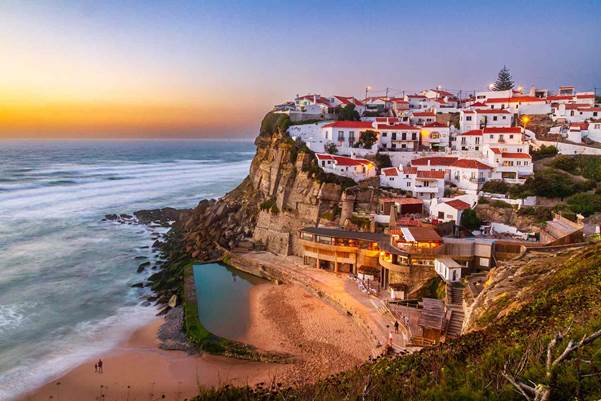

Portugal may be a relatively small country, but it offers an incredible variety of destinations—from vibrant cities and historic towns to coastal landscapes and hidden countryside gems. Whether you’re visiting for a few days or planning a longer trip, these are the top places to include in your itinerary.
Cities
Lisbon is the heart of Portugal and the starting point for most travellers. The capital is known for its colourful neighbourhoods, historic trams, panoramic viewpoints, and lively food scene. You can dive deeper into the city with this Lisbon Travel Guide, explore highlights in the Best Things to Do in Lisbon, or plan your stay using Where to Stay in Lisbon. If you’re short on time, this 3-Day Lisbon Itinerary is perfect for first-time visitors.
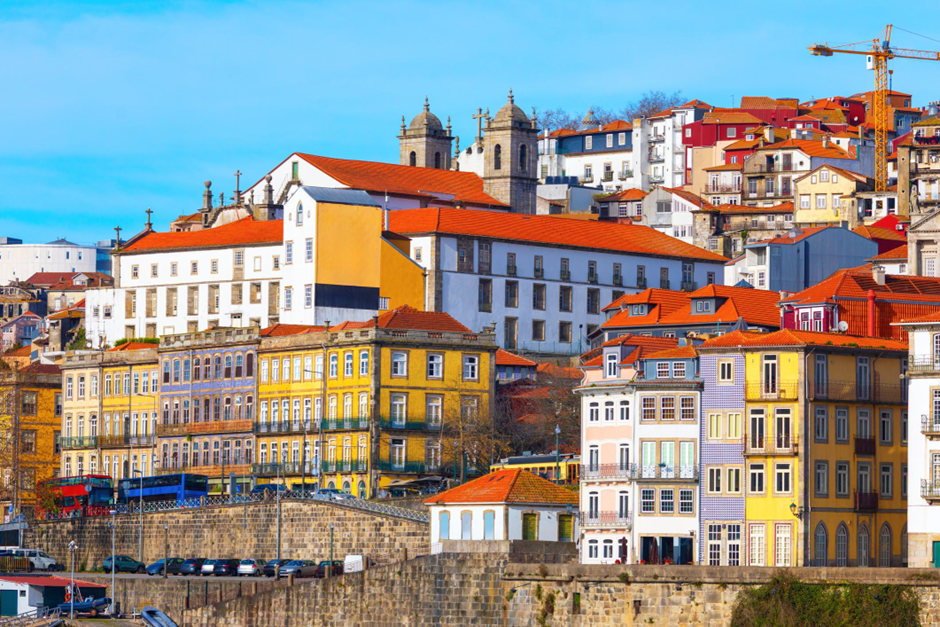
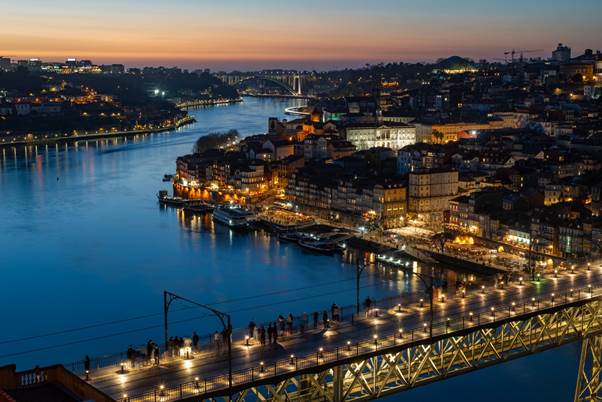
Porto, located in northern Portugal, offers a completely different vibe. With its riverside setting, wine cellars, and charming streets, it’s one of the most picturesque cities in Europe. Start with the Porto Travel Guide, discover must-see attractions in the Best Things to Do in Porto, and choose accommodation with Where to Stay in Porto.
Must-Visit Highlights & Experiences
Beyond the major cities, Portugal is full of iconic destinations and unforgettable experiences. If you’re planning your route, these curated guides are essential:
- Go beyond the crowds with the Top 10 Hidden Gems in Portugal
- Discover the country’s highlights in the Top 10 Places to Visit in Portugal
- Explore urban destinations in the Top 10 Cities to Visit in Portugal
These guides are especially useful when combined with a structured itinerary like the 7-Day Portugal Itinerary or the more relaxed 10-Day Portugal Itinerary.
4. Best Time to Visit Portugal

Portugal is a year-round destination, but the best time to visit depends on your priorities.
Spring (March–May) and autumn (September–October) are widely considered the best times to visit. These seasons offer warm temperatures, fewer crowds, and ideal conditions for sightseeing in cities like Lisbon and Porto.
Summer (June–August) is peak season, especially along the coast. It’s perfect for beach holidays but comes with higher prices and larger crowds. Winter (November–February) is mild and quieter, making it ideal for budget travellers.
For a detailed breakdown of seasons, weather, and travel styles, see Best Time to Visit Portugal.
5. Weather & Climate Overview
Portugal enjoys a Mediterranean climate with regional variation.
The south tends to be warmer and sunnier, making it ideal for beach travel. Lisbon experiences long sunny days with mild winters, while Porto and the north are slightly cooler and greener due to increased rainfall.
This variation makes Portugal suitable for different travel styles year-round—from summer beach trips to winter city breaks.
To better plan your trip, combine this overview with Best Time to Visit Portugal for a deeper seasonal analysis.
6. Getting There & Getting Around
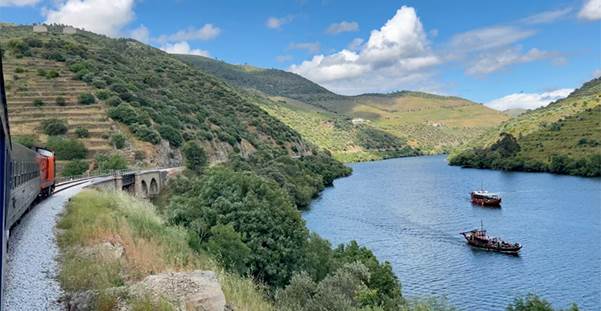
Portugal is well connected to major international destinations, with most travellers arriving via Lisbon or Porto airports.
Getting There
Most international travellers arrive in Portugal via one of its three main airports:
- Lisbon (Humberto Delgado Airport) – The largest and busiest airport, ideal if you’re starting your trip in the capital. Begin planning with the Lisbon Travel Guide.
- Porto Airport – A great entry point for northern Portugal. See the Porto Travel Guide for ideas on where to go next.
- Faro Airport – Serves southern Portugal and is popular for coastal trips.
Lisbon is typically the best choice for first-time visitors due to its connectivity and central location. From here, it’s easy to explore other parts of the country using public transport or a structured itinerary like the 7-Day Portugal Itinerary or 10-Day Portugal Itinerary.
Getting Around Portugal
Portugal’s compact size and well-developed transport system make it simple to travel between destinations.
Trains are the most popular option for travelling between major cities. Routes like Lisbon to Porto are fast, comfortable, and scenic. If you’re following a classic route, you’ll likely rely on trains as outlined in the Getting Around Portugal.
Buses are a reliable and affordable alternative, especially for reaching smaller towns that aren’t connected by train. They’re often cheaper but slightly slower.
Car rental is the best option if you want flexibility or plan to explore beyond the main cities. It’s particularly useful for discovering lesser-known spots featured in the Top 10 Hidden Gems in Portugal or travelling at your own pace on a longer 10-Day Portugal Itinerary.
Getting Around Cities
In cities like Lisbon and Porto, public transport is efficient and easy to use.
- Lisbon has trams, metro, buses, and funiculars—many of which are attractions in themselves. Use the Best Things to Do in Lisbon to plan your routes.
- Porto has a modern metro system and walkable city centre. See the Best Things to Do in Porto for key areas to explore.
Planning Your Route
If you’re unsure how to structure your trip, start with a ready-made itinerary like the 7-Day Portugal Itinerary or 10-Day Portugal Itinerary, which incorporate the most efficient travel routes.
For a complete breakdown of all transport options, including ticket tips and costs, see the Getting Around Portugal.
7. Travel Costs & Currency
Portugal uses the Euro (€) and remains one of the most affordable destinations in Western Europe.
Daily budgets vary depending on travel style:
- Budget travellers: €50–€80/day
- Mid-range travellers: €100–€180/day
- Luxury travellers: €250+/day
Costs tend to be higher in cities like Lisbon and Porto, but overall Portugal offers excellent value.
For a full cost breakdown, see How Much Does It Cost to Travel Portugal? or learn how to save money with Portugal on a Budget.
8. Suggested Itineraries
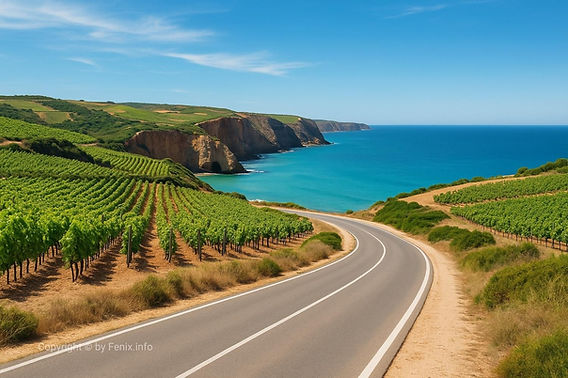
Planning your itinerary is essential to making the most of your time in Portugal.
A 7-Day Portugal Itinerary typically includes Lisbon, Sintra, and Porto—perfect for first-time visitors. A 10-Day Portugal Itinerary allows for a more relaxed pace and additional destinations.
If you’re short on time, a focused 3-Day Lisbon Itinerary is a great way to experience the capital.
These itineraries help you balance travel time, sightseeing, and relaxation while covering Portugal’s highlights.
9. Practical Travel Tips
Portugal is one of the safest, easiest, and most enjoyable countries to travel in Europe—but a few practical tips can make your trip even smoother.
Safety & Travel Awareness
Portugal is consistently ranked as one of the safest countries in the world. Violent crime is rare, and most visits are trouble-free. However, like in any popular destination, petty theft can occur—especially in busy areas and on public transport in Lisbon.
To stay safe:
- Keep an eye on your belongings in crowded areas
- Avoid carrying valuables in easily accessible pockets
- Be cautious on trams and in tourist hotspots
For a full breakdown, see Is Portugal Safe for Tourists?.
Language & Communication
Portuguese is the official language, but English is widely spoken—especially in Lisbon, Porto, and tourist areas. Most travellers won’t have any issues communicating.
Still, learning a few basic Portuguese phrases can go a long way and is appreciated by locals. You’ll find more useful tips in Portugal Travel Tips for First-Time Visitors.
Cultural Norms & Etiquette
Portuguese culture is relaxed, friendly, and welcoming. Dining is an important part of daily life, and meals are often slow and social.
Key things to know:
- Tipping is appreciated but not mandatory (5–10% is typical)
- Bread, olives, and snacks brought to your table are not free unless you decline them
- Dress modestly when visiting churches
Power, Connectivity & SIM Cards
Portugal uses Type C and F plugs (standard European), with a voltage of 230V. If you’re travelling from outside Europe, you’ll need an adapter—see the full Packing List for Portugal to make sure you’re prepared.
SIM cards are cheap and easy to buy at airports or local shops. Alternatively, eSIMs are widely available and convenient for short trips.
Wi-Fi is widely available in hotels, cafes, and public spaces.
What to Pack
Packing depends on the season and regions you plan to visit. Comfortable walking shoes are essential for cobbled streets, and layers are useful year-round due to temperature changes between day and night.
Use this Packing List for Portugal to ensure you don’t forget anything important.
First-Time Visitor Tips
If it’s your first time visiting, planning ahead can make a huge difference. From transport tips to cultural insights, start with this guide to Portugal Travel Tips for First-Time Visitors.
Before you travel, check this Packing List for Portugal to make sure you’re fully prepared.
10. Plan Your Trip to Portugal
For official travel inspiration and updates, visit the Portugal tourism website
Bring everything together with these essential resources:
City Guides
Things to Do
Where to Stay
Itineraries
Travel Essentials
- Portugal Travel Tips for First-Time Visitors
- Getting Around Portugal (Transport Guide)
- How Much Does It Cost to Travel Portugal?
- Portugal on a Budget