Tokyo is a city where centuries-old temples sit alongside futuristic skyscrapers, quiet gardens offer a break from crowded streets, and almost every neighbourhood has something different to discover. With so many things to do in Tokyo, deciding where to start can be surprisingly difficult, especially if you’re visiting Japan for the first time.
Japan’s capital is enormous, but it is also remarkably accessible. An extensive railway network connects its major attractions, while individual neighbourhoods are often best explored on foot. You can spend the morning visiting a historic shrine, the afternoon discovering quirky shops and the evening enjoying panoramic views of one of the world’s largest cities.
The challenge isn’t finding interesting places to visit. It’s choosing which experiences deserve your limited time.
This guide covers 15 of Tokyo’s most worthwhile attractions and experiences, from famous landmarks such as Shibuya Crossing and Sensō-ji Temple to traditional markets, peaceful gardens and lesser-known corners of the city.
Whether you have two days or an entire week, these recommendations will help you build an itinerary that balances Tokyo’s essential sights with opportunities to experience everyday Japanese culture.
For broader advice on travelling around the country, see our Japan Travel Guide.
Table of Contents
Quick Overview: Tokyo’s Top Experiences
If you’re short on time, these are some of the best experiences to prioritise.
| Experience | Best choice |
| Best traditional attraction | Sensō-ji Temple |
| Best city views | Shibuya Sky |
| Best cultural experience | Meiji Jingū Shrine |
| Best food experience | Tsukiji Outer Market |
| Best free attraction | Tokyo Metropolitan Government observation deck |
| Best modern attraction | teamLab Borderless |
| Best neighbourhood to explore | Shinjuku |
For a first visit, three to four days is a reasonable starting point. This gives you enough time to explore several major neighbourhoods without spending your entire trip rushing between attractions.
15 Best Things to Do in Tokyo
1. Experience Shibuya Crossing and Shibuya Sky
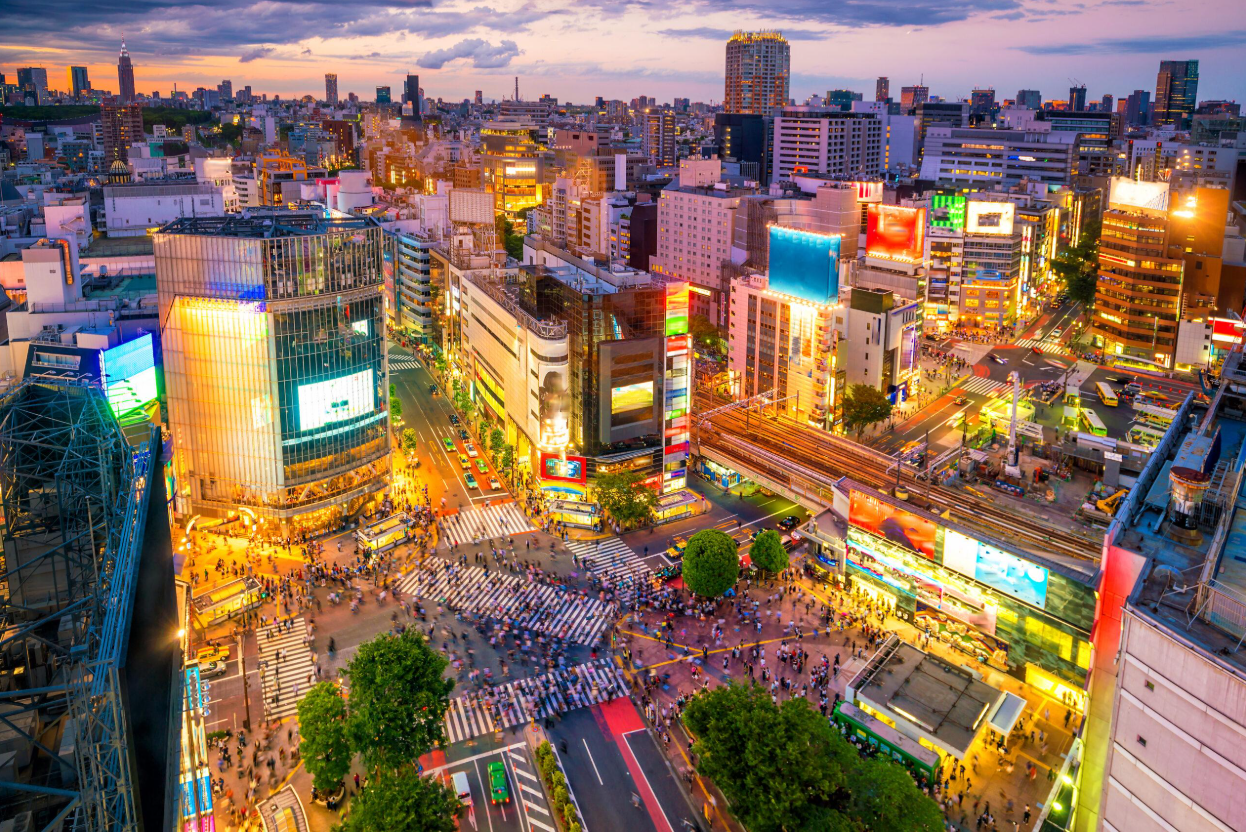
Few places capture Tokyo’s energy quite like Shibuya Crossing. Located outside Shibuya Station, this famous intersection sees pedestrians crossing from multiple directions whenever the traffic lights change.
The crossing itself is a relatively simple attraction, but watching hundreds of people move across the road simultaneously is an experience worth having at least once.
Start by crossing the intersection yourself, then explore the surrounding streets. Shibuya is packed with shops, restaurants, cafés and entertainment venues, making it an excellent place to spend several hours.
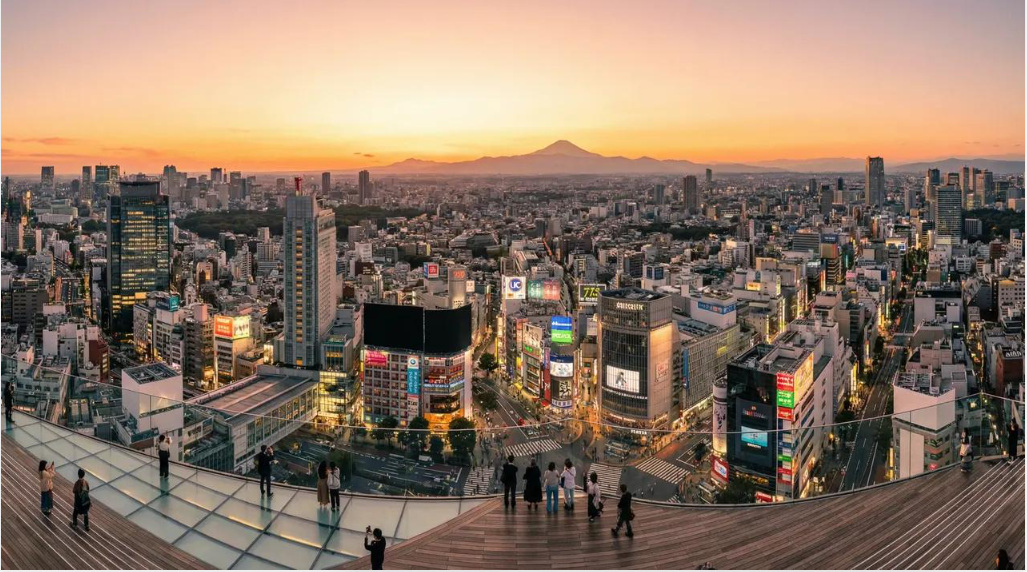
For a different perspective, visit Shibuya Sky, the rooftop observation experience at Shibuya Scramble Square. The observation areas offer expansive views over Tokyo, particularly impressive around sunset when the city’s buildings begin to illuminate.
On clear days, you may even catch a glimpse of Mount Fuji in the distance.
Practical tips: Allow 1–2 hours for the crossing and surrounding streets, or longer if visiting Shibuya Sky. The crossing is free, while Shibuya Sky requires a paid ticket. Sunset slots are popular, so advance booking is advisable.
2. Visit Sensō-ji Temple in Asakusa
Sensō-ji is one of Tokyo’s most important historic attractions and an excellent introduction to traditional Japanese culture.
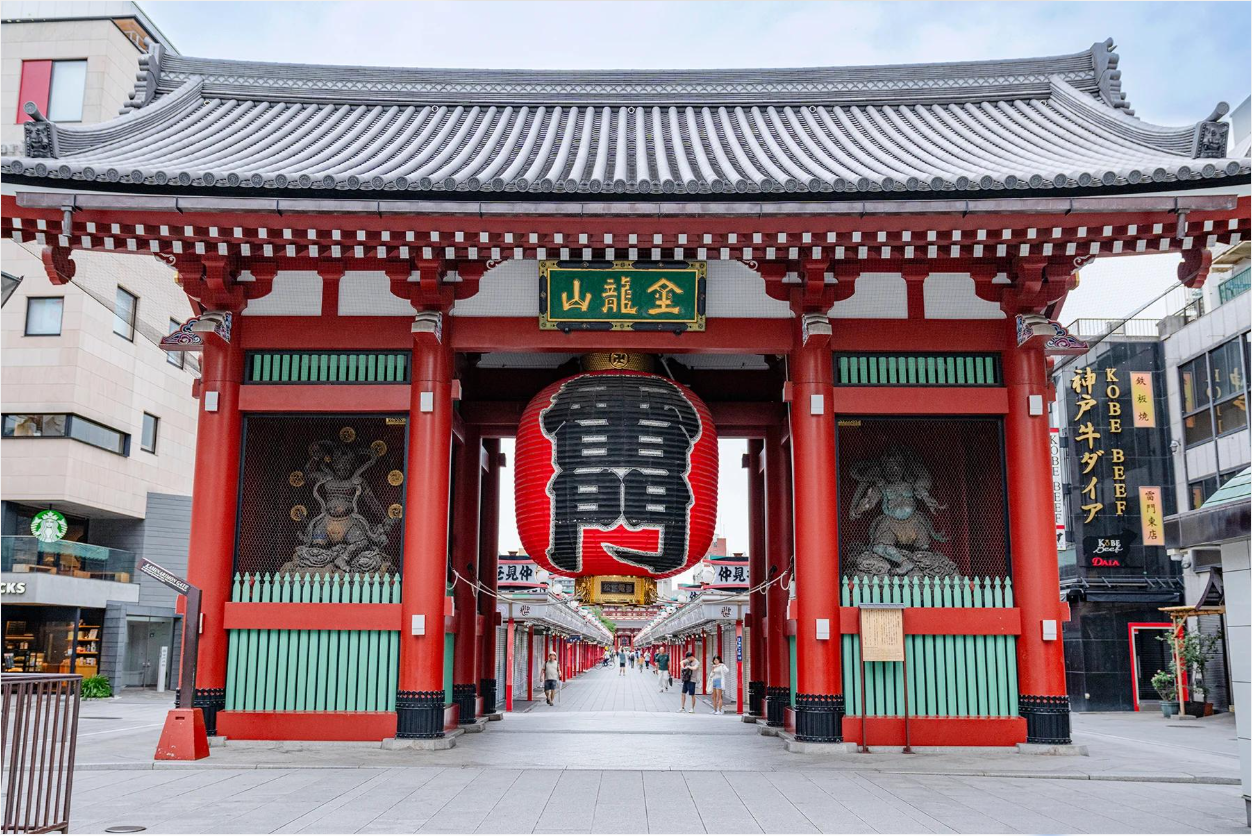
Located in Asakusa, the Buddhist temple is famous for its enormous red lantern hanging beneath Kaminarimon Gate. Beyond the gate, Nakamise shopping street leads towards the temple complex.
This lively pedestrian street is lined with stalls selling traditional snacks, souvenirs and Japanese crafts. It is an enjoyable place to browse, although it can become extremely crowded during the day.
The temple grounds include impressive religious buildings, a five-storey pagoda and spaces where visitors can observe traditional Buddhist practices.
One of the most appealing aspects of Sensō-ji is the contrast between its historic architecture and the surrounding modern city.
For a quieter experience, arrive early in the morning before the main tourist crowds gather. The temple grounds are particularly atmospheric when the shops are still closed.
Practical tips: Allow 1–2 hours for the temple and Nakamise Street. General access to the grounds is free, although individual facilities may have restrictions. Asakusa Station provides convenient access.
3. Explore Meiji Jingū Shrine
Meiji Jingū offers a completely different atmosphere from Tokyo’s busy shopping districts.
Dedicated to Emperor Meiji and Empress Shōken, this important Shinto shrine is surrounded by a large forested area near Harajuku.
Walking through the towering wooden torii gates and along the broad gravel paths feels surprisingly peaceful, especially considering how close the shrine is to some of Tokyo’s busiest streets.
The main shrine buildings feature traditional Japanese architecture, while the surrounding woodland provides an opportunity to experience a quieter side of the city.
Visitors may observe people making offerings or participating in traditional shrine rituals. Occasionally, wedding processions can also be seen.
Meiji Jingū is particularly worthwhile for travellers interested in Japanese culture, religion and history.
It also pairs perfectly with nearby Harajuku, allowing you to experience both traditional and modern Tokyo in a single visit.
Practical tips: Allow approximately 1–1.5 hours. Entry to the main shrine grounds is free, although some associated attractions charge admission. The shrine is within walking distance of Harajuku Station.
4. Discover Shinjuku and Its Free Observation Deck
Shinjuku is one of Tokyo’s most exciting districts, combining towering office buildings, department stores, restaurants and lively entertainment streets.
The area around Shinjuku Station can initially feel overwhelming. However, exploring the neighbourhood on foot is one of the best ways to appreciate Tokyo’s scale and diversity.
During the day, head towards the Tokyo Metropolitan Government Building. Its observation decks offer panoramic views from approximately 202 metres above the city, and admission is free.
This makes it an excellent alternative to Tokyo’s paid observation towers, particularly for budget-conscious travellers.
In the evening, explore the illuminated streets around Kabukichō or visit Omoide Yokochō, a narrow network of small restaurants and bars that offers a very different atmosphere from the surrounding skyscrapers.
Shinjuku is also one of Tokyo’s most convenient areas for dining, with everything from inexpensive noodle shops to more sophisticated restaurants.
Practical tips: Allow half a day or an evening. The observation decks are free, while other activities depend on your choices. Check observation deck opening times before visiting, as temporary closures can occur.
5. Sample Japanese Food at Tsukiji Outer Market
Tokyo is one of the world’s great food destinations, and Tsukiji Outer Market is an excellent place to experience its culinary variety.
Although the famous wholesale fish market relocated to Toyosu in 2018, Tsukiji Outer Market remains a bustling collection of food shops, restaurants and specialist retailers.
Visitors can sample sushi, grilled seafood, Japanese omelettes, rice bowls and a wide variety of traditional snacks.
The market is particularly appealing because it combines food prepared for visitors with shops selling ingredients, kitchen equipment and specialist products.
Rather than planning a single large meal, consider trying several smaller dishes as you explore.
Some stalls become very busy, especially during peak tourist hours. Arriving earlier in the morning generally makes the experience more enjoyable.
Remember that Tsukiji is a working commercial area, so be considerate of shopkeepers and avoid blocking narrow streets while eating or taking photographs.
Practical tips: Allow 1–2 hours and visit in the morning. Exploring the market is free, but food purchases vary considerably in price. Check individual shop opening days, as some businesses close on Wednesdays or Sundays.
6. Immerse Yourself in teamLab Borderless
Tokyo is famous for combining art and technology, and teamLab Borderless is one of the city’s most distinctive modern attractions.
Located at Azabudai Hills, this immersive digital art museum uses projections, lighting and interactive installations to create environments that change as visitors move through them.
Unlike a traditional museum, there is no fixed route through the exhibits. Instead, visitors wander between interconnected spaces, discovering digital landscapes, moving patterns and artworks that respond to their surroundings.
The experience is particularly appealing to photography enthusiasts, families and anyone interested in contemporary art.
Allow plenty of time rather than rushing through. Part of the attraction is discovering how different installations interact and evolve.
teamLab Borderless reopened at Azabudai Hills in 2024, having previously operated in Odaiba.
Practical tips: Allow 2–3 hours. Tickets are paid and use date-specific admission arrangements. Booking in advance is strongly recommended, particularly during weekends and peak travel periods.
7. Enjoy Panoramic Views from Tokyo Skytree
Standing 634 metres tall, Tokyo Skytree is one of the city’s most recognisable landmarks.
The tower dominates the skyline of eastern Tokyo and provides spectacular views from its observation decks.
Visitors can travel to the Tembo Deck, approximately 350 metres above ground, or continue to the higher Tembo Galleria at around 450 metres.
On clear days, the views stretch across Tokyo’s vast urban landscape, with Mount Fuji sometimes visible in the distance.
Even if you decide not to visit the observation decks, the surrounding Tokyo Solamachi shopping complex offers restaurants, shops and other attractions.
Tokyo Skytree is particularly convenient to combine with Asakusa, making it possible to visit Sensō-ji Temple and the tower during the same half-day excursion.
If your budget only allows one paid observation deck, consider whether you prefer the open-air rooftop atmosphere of Shibuya Sky or the greater height of Tokyo Skytree.
Practical tips: Allow 1–2 hours for the observation decks. Tickets are paid, with different options depending on the deck selected. Visit on a clear day for the best visibility.
8. Explore Ueno Park and Its Museums
Ueno Park is one of Tokyo’s most important cultural and recreational spaces.
The large public park contains several major museums, historic temples, ponds and walking paths, making it an excellent destination for travellers interested in art, history and nature.
The Tokyo National Museum is a particular highlight, with extensive collections covering Japanese art, archaeology and cultural heritage.
Other nearby institutions include the National Museum of Nature and Science and the National Museum of Western Art.
During spring, Ueno Park becomes one of Tokyo’s most popular cherry blossom viewing destinations. The tree-lined pathways attract large crowds when the blossoms are at their peak.
Outside cherry blossom season, the park remains an enjoyable place to walk, relax or escape the surrounding city streets.
Ueno is also close to Ameyoko, a lively shopping street known for its market atmosphere and inexpensive food.
Practical tips: Allow 2–4 hours, depending on whether you visit a museum. General park access is free, but museums charge admission. Ueno Station is a convenient starting point.
9. Discover Anime and Electronics in Akihabara
Akihabara is one of Tokyo’s most distinctive neighbourhoods, particularly for visitors interested in anime, manga, gaming and technology.
The district is filled with electronics retailers, specialist hobby shops, gaming arcades and stores selling collectibles.
Even if you’re not especially interested in Japanese pop culture, the colourful signs, bright lights and unusual shops make Akihabara worth exploring.
Fans of retro gaming can browse shops selling older consoles and games, while anime enthusiasts will find everything from figures and merchandise to specialist publications.
The neighbourhood also contains numerous themed cafés and entertainment venues, although some require reservations or charge additional fees.
Akihabara is best experienced without a rigid schedule. Wander through the main streets, explore smaller side roads and visit whichever shops catch your attention.
It is particularly atmospheric after dark, when the illuminated signs become even more prominent.
Practical tips: Allow 2–3 hours. Walking around is free, but shopping and entertainment costs vary. Akihabara Station is served by several major railway lines.
10. Experience Harajuku and Takeshita Street
Harajuku is famous for its youth culture, unusual fashion and colourful shopping streets.
Takeshita Street is the neighbourhood’s best-known attraction, with small boutiques, sweet shops, cafés and fashion retailers packed into a relatively narrow pedestrian street.
The area is especially popular with younger visitors and anyone interested in Japanese street fashion.
However, Harajuku offers more than colourful shops.
Nearby Omotesando features stylish architecture, designer stores and attractive cafés, providing a noticeably different atmosphere.
You can also explore quieter backstreets where independent shops and small restaurants offer a more relaxed experience.
Harajuku works particularly well as part of a walking route that includes Meiji Jingū and Omotesando.
The contrast between the peaceful shrine, busy Takeshita Street and sophisticated Omotesando is a good illustration of Tokyo’s diversity.
Practical tips: Allow 1–2 hours, or longer if shopping. Exploring the area is free. Weekends can be extremely crowded, so weekday mornings are generally more comfortable.
11. Relax in Shinjuku Gyoen National Garden
Shinjuku Gyoen is one of Tokyo’s most beautiful green spaces and a welcome escape from the surrounding urban environment.
The expansive garden combines several landscape styles, including traditional Japanese gardens, formal European-inspired areas and broad lawns.
Its peaceful paths, ponds and carefully maintained trees make it an excellent place for a relaxed walk.
The garden is particularly popular during cherry blossom season, when different varieties of cherry trees create colourful displays.
Autumn is another attractive time to visit, with changing leaves adding warm colours to the landscape.
Unlike some of Tokyo’s smaller gardens, Shinjuku Gyoen is large enough to spend several hours exploring without feeling rushed.
It is also conveniently located near Shinjuku’s main shopping and entertainment areas, making it easy to combine sightseeing with a quieter outdoor experience.
Practical tips: Allow 1–2 hours. Admission is paid but relatively inexpensive compared with major commercial attractions. Opening hours vary seasonally, and the garden has scheduled closing days.
12. Visit the Imperial Palace East Gardens
The Imperial Palace occupies an important place in Japanese history and remains the primary residence of Japan’s emperor.
Although much of the palace complex is not freely accessible, visitors can explore the Imperial Palace East Gardens when they are open.
These landscaped grounds occupy part of the former Edo Castle site and contain historic stone walls, gates, gardens and open spaces.
The gardens offer an interesting glimpse into Tokyo’s history before it became the modern capital we know today.
They are particularly worthwhile for visitors who enjoy historic sites but prefer a more relaxed atmosphere than the city’s busiest temples.
Nearby attractions include the famous Nijūbashi Bridge viewpoint and the Marunouchi district, known for its attractive streets and impressive architecture.
The area around Tokyo Station is also worth exploring, particularly for its restored historic station building.
Practical tips: Allow 1–2 hours. Entry to the East Gardens is free. Check the official opening calendar, as the gardens are normally closed on Mondays and Fridays, with exceptions and additional closure dates.
13. Explore Odaiba’s Waterfront
Odaiba is a modern waterfront district overlooking Tokyo Bay.
Originally developed on reclaimed land, the area has become a popular destination for shopping, entertainment and waterfront sightseeing.
One of its main attractions is the view of Rainbow Bridge, particularly in the evening when the surrounding buildings and bridge are illuminated.
Odaiba also offers broad pedestrian spaces, shopping complexes and opportunities to enjoy the waterfront away from Tokyo’s busiest central districts.
The journey itself can be part of the experience. The Yurikamome automated transit line travels through the waterfront area and offers impressive views along the route.
Families may enjoy the district’s entertainment attractions, while couples and photographers often appreciate its evening skyline.
Odaiba is less essential for a very short Tokyo visit, but it can be a worthwhile addition if you have several days and want to see a different side of the city.
Practical tips: Allow 2–4 hours. Exploring the waterfront is free, although individual attractions charge admission. Late afternoon and evening are particularly appealing for skyline views.
14. Wander Through Ginza
Ginza is Tokyo’s best-known luxury shopping district, but you don’t need an expensive shopping budget to enjoy visiting.
The neighbourhood is characterised by elegant department stores, impressive architecture, stylish cafés and carefully designed shopfronts.
Walking through Ginza offers a different perspective on Tokyo compared with the youthful energy of Shibuya or the neon-lit streets of Akihabara.
The area is also known for its restaurants, ranging from casual dining options to some of the city’s most exclusive establishments.
Visitors interested in traditional Japanese shopping can explore historic department stores and specialist retailers, while architecture enthusiasts will find plenty of interesting modern buildings.
Ginza is especially enjoyable during weekends and public holidays when sections of the main Chuo-dori shopping street are typically closed to vehicle traffic for designated hours.
It also combines conveniently with nearby Tokyo Station, the Imperial Palace area or Tsukiji Outer Market.
Practical tips: Allow 1–2 hours, excluding meals and shopping. Exploring the district is free. Check pedestrianisation times if you want to experience the main street without traffic.
15. Experience Tokyo’s Incredible Food Scene
One of the best things to do in Tokyo is simply to explore its food culture.
The city offers an extraordinary variety of dining experiences, from tiny neighbourhood restaurants to elaborate multi-course meals.
For a casual introduction, try ramen, sushi, tempura, yakitori or Japanese curry. These dishes are widely available, and many excellent meals can be enjoyed without spending a fortune.
Small izakaya restaurants are particularly appealing in the evening. These informal establishments serve drinks alongside a selection of smaller dishes, making them a good way to sample different flavours.
Department store basement food halls, known as depachika, are another worthwhile experience. They contain beautifully presented prepared foods, sweets and speciality products.
Don’t overlook everyday dining options either. Japanese convenience stores, noodle shops and casual restaurant chains can offer surprisingly good value.
For travellers with dietary restrictions, it is worth researching suitable restaurants in advance, as some dishes contain ingredients that may not be immediately obvious.
Practical tips: Food experiences can fit into almost any itinerary. Budget around ¥1,000–¥2,000 for many casual meals, although prices vary significantly. Popular restaurants may require reservations.
Tickets, Tours and Time-Saving Tips
Tokyo’s major attractions are spread across a large metropolitan area, so good planning can make a significant difference to your visit.
Not every attraction requires advance booking. Temples, public parks and shopping districts are generally straightforward to explore independently.
However, popular paid attractions such as Shibuya Sky and teamLab Borderless are worth booking ahead, especially if you are travelling during cherry blossom season, major holidays or weekends.
For observation decks, check the weather forecast before choosing a date. Clear skies make a significant difference to the experience, particularly if you hope to see Mount Fuji.
Guided tours can be worthwhile for specific interests, such as Japanese food, historic neighbourhoods or cultural experiences. However, most of Tokyo’s main attractions are accessible without a guide.
Tokyo’s railway system is generally the easiest way to travel between districts. A rechargeable IC card, such as Suica or PASMO, makes paying for many journeys more convenient.
The most useful time-saving strategy is to group attractions geographically rather than travelling repeatedly across the city.
For example, Sensō-ji and Tokyo Skytree combine well, while Meiji Jingū, Harajuku and Shibuya can form another sightseeing route.
For official attraction information and additional sightseeing ideas, consult the GO TOKYO tourism website before your visit.
How to Fit the Best Things to Do in Tokyo Into Your Trip
The number of attractions you can realistically visit depends on how much time you have and whether you prefer a relaxed or busy itinerary.
Tokyo in One Day
If you only have one day, focus on a few memorable experiences rather than trying to see everything.
Start at Sensō-ji Temple in Asakusa, then travel to Shibuya to experience the famous crossing. Spend the late afternoon exploring the neighbourhood and consider finishing with sunset views from Shibuya Sky.
This itinerary provides a contrast between traditional and modern Tokyo without attempting too much.
Tokyo in Two to Three Days
With two or three days, you can explore several distinct neighbourhoods.
Spend one day around Asakusa, Tokyo Skytree and Ueno. Use another day to visit Meiji Jingū, Harajuku and Shibuya.
On the third day, explore Tsukiji Outer Market, teamLab Borderless or Shinjuku, depending on your interests.
This approach balances cultural landmarks, modern attractions and neighbourhood exploration.
Tokyo in Four or More Days
Four or more days gives you the flexibility to explore Tokyo at a more comfortable pace.
Add areas such as Akihabara, Ginza, Odaiba and the Imperial Palace East Gardens, while leaving time for shopping, museums and food experiences.
You could also consider a day trip outside the city, with destinations such as Kamakura, Hakone or the Mount Fuji region offering a change of scenery.
Getting Around Tokyo’s Main Attractions
Tokyo’s extensive public transport network makes it relatively straightforward to explore the city without hiring a car.
The JR Yamanote Line connects several major districts, including Shibuya, Shinjuku, Ueno and Akihabara. Tokyo Metro and Toei Subway services provide additional connections throughout the city.
Although the network can appear complicated initially, station signs are generally clear, and English-language information is widely available.
Using a navigation app can help you identify the best routes, platforms and station exits.
One important consideration is that major stations can be enormous. Shinjuku Station, for example, has numerous exits, so allow extra time when changing trains or meeting other travellers.
Walking is also an essential part of exploring Tokyo. Many attractions are best experienced by wandering through surrounding streets rather than travelling directly from one landmark to another.
Try to organise each day around one or two neighbouring districts. This reduces unnecessary travel and leaves more time to enjoy the city.
Frequently Asked Questions About Things to Do in Tokyo
What are the best things to do in Tokyo for first-time visitors?
The best starting points are Sensō-ji Temple, Shibuya Crossing, Meiji Jingū Shrine, Shinjuku and one of Tokyo’s observation decks. Together, these attractions provide a good introduction to the city’s history, culture and modern atmosphere.
How many days do you need in Tokyo?
Three to four days is a good starting point for first-time visitors. This allows enough time to explore several major neighbourhoods without rushing. Five or more days is ideal if you want to visit museums, explore quieter areas or take day trips.
Is Tokyo expensive to visit?
Tokyo can accommodate a range of budgets. Public transport is efficient, many temples and parks are free, and casual restaurants offer reasonably priced meals. Accommodation and popular paid attractions are likely to be your biggest expenses.
What are the best free things to do in Tokyo?
Some excellent free experiences include visiting Sensō-ji Temple, exploring Meiji Jingū Shrine, walking through Shibuya Crossing and enjoying the views from the Tokyo Metropolitan Government Building.
What is the best time of year to visit Tokyo?
Spring and autumn are particularly appealing because temperatures are generally comfortable for sightseeing. Spring brings cherry blossoms, while autumn offers colourful foliage. Both seasons can be busy, especially around major holidays and popular seasonal attractions.
Plan Your Visit to Tokyo
Tokyo rewards travellers who combine its famous landmarks with time to explore individual neighbourhoods. While attractions such as Shibuya Crossing and Sensō-ji deserve their popularity, some of the city’s most memorable moments come from discovering a small restaurant, wandering down an unfamiliar street or finding a peaceful garden among the skyscrapers.
For a first visit, prioritise the attractions that genuinely interest you rather than attempting to see everything.
If Tokyo is part of a longer Japanese holiday, consider combining your stay with Kyoto, Osaka or other destinations to experience more of the country’s remarkable diversity.